PRP Therapy for Sports Medicine — Natural Regeneration for Injury Recovery
Athletes push their bodies to the limit — and even with training, rest, and stretching, injuries happen. From tendon strain to ligament stress, overuse injuries are common in both recreational and competitive athletes. This is why more people are turning to PRP therapy (Platelet-Rich Plasma) as a natural and targeted solution for injury recovery, joint pain, and long-term performance support.
PRP is one of the most recognized regenerative tools in sports medicine today, valued for its ability to stimulate healing from within rather than simply masking pain.
What Is PRP and How Does It Work?
PRP is created from a patient’s own blood. After drawing a small sample, the blood is spun in a centrifuge to concentrate the platelets — the tiny cell fragments responsible for healing, clotting, and tissue repair. These platelets are rich in growth factors, signaling proteins, and regenerative compounds.
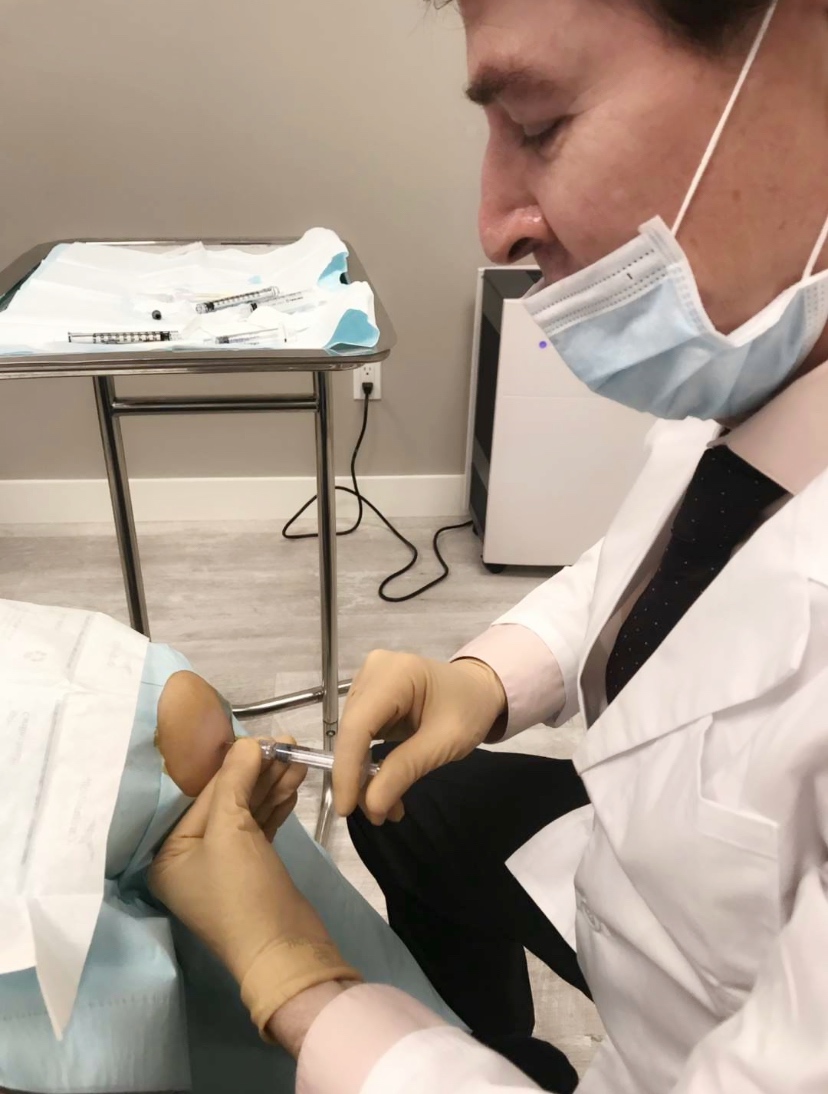
When injected into damaged muscle, tendon, ligaments, or joints, PRP acts like a biological repair signal. It attracts blood flow, stimulates collagen formation, encourages new cell growth, and supports structural rebuilding. Instead of patching the problem temporarily, PRP aims to enhance the body’s natural healing pathways.
Sports & Joint Recovery Benefits
PRP is commonly used to support recovery from:
✔ Tendonitis & overuse injuries
✔ Tennis elbow / golfer’s elbow
✔ Rotator cuff inflammation
✔ Knee & ankle sprains
✔ Meniscus irritation
✔ Chronic joint pain or stiffness
Athletes often choose PRP because it encourages tissue regeneration, not just pain control. Many report improved strength, better movement, and faster injury recovery, allowing them to return to training with greater confidence.
PRP for Tendons & Ligaments
Tendons and ligaments have limited blood supply — meaning they heal slower than muscle. PRP can help by increasing circulation to these tissues, supplying growth factors directly where they’re needed, and supporting natural repair at the cellular level. For long-standing injuries, this can be an important turning point.
PRP for Hair Growth & Scalp Health
Beyond sports medicine, PRP has gained attention for hair regeneration. When injected into the scalp, PRP may help stimulate dormant follicles, improve scalp nutrition, and support thicker, healthier hair growth over time. Many people choose PRP as a non-surgical option to enhance density and slow shedding.
Why Athletes Trust PRP
✔ Uses your own cells — no foreign material
✔ Supports recovery without surgery
✔ Helps regenerate rather than suppress symptoms
✔ Suitable for chronic or stubborn injuries
✔ Helps maintain long-term performance
When combined with IV therapy, strengthening, nutrition, and movement, PRP can be a powerful ally in natural healing.